About us
The Australian Flora Foundation was established in 1981 with the aim of fostering scientific research on the biology and cultivation of Australian plants. It was thought that by encouraging research, a greater awareness of the value of the Australian flora would be developed resulting in explicit measures for their conservation and utilisation. Funds for research are raised through the membership of the Foundation, donations from various sources and the income from bequests.
In the spirit of reconciliation, the Australian Flora Foundation acknowledges the Traditional Custodians of country throughout Australia and their connections to land, sea and community. We pay our respect to their Elders past and present and extend that respect to all Aboriginal and Torres Strait Islander peoples today.

Funding
The Foundation generally aims to support the following:
Malcolm Reed (Large) Grants: Supports projects for up to 3 years. Grants can be a minimum of $20,000 up to a maximum of $60,000, spread over the time period of the project.
Small Grants: Supports projects for up to two years. Grants can be a minimum of $5,000 up to a maximum of 20,000, spread over the time period of the project.
The Foundation also administers, on behalf of Wild Macadamia Conservation, the Ian and Janet McConachie Macadamia Conservation Grant. This grant scheme aims to support one project annually for up to three years, with a budget of up to $ 20,000 per annum, focused on the ecology and conservation of macadamias in their natural habitat.
Thank you to our generous donors, whose contributions extend our ability to fund research

Thank you to Bell Art Australia for their generous support of the Australian Flora Foundation over many years.
Please follow this link to learn more about their Australian made gifts and souvenirs all uniquely inspired by wildflowers.

Thank you to the Australian Plant Society NSW for their generous donations over many years. The aim of the society is to inspire all Australians to love, grow and conserve our native plants. Click for more information.
Thank you also to the Australian Plants Society NSW Sutherland Group who are also long term contributors to AFF. Here they share their enthusiasm for the research funded by AFF:
“Australian Plants Society Sutherland Group members know how fortunate we are to live near the Royal National Park in southern Sydney and enjoy all the national parks and other bushland around Sydney. Our group has been sharing knowledge and enthusiasm for over 60 years since 1963, but we know there is still so much to learn about Australian native plants. We are very pleased to support the Australian Flora Foundation to fund scientific research into Australian native plants. Our regular donations to AFF are partly from the proceeds of our plant identification software tool called Coastal Plants of the Royal National Park that we first launched in 2006.” More information here.
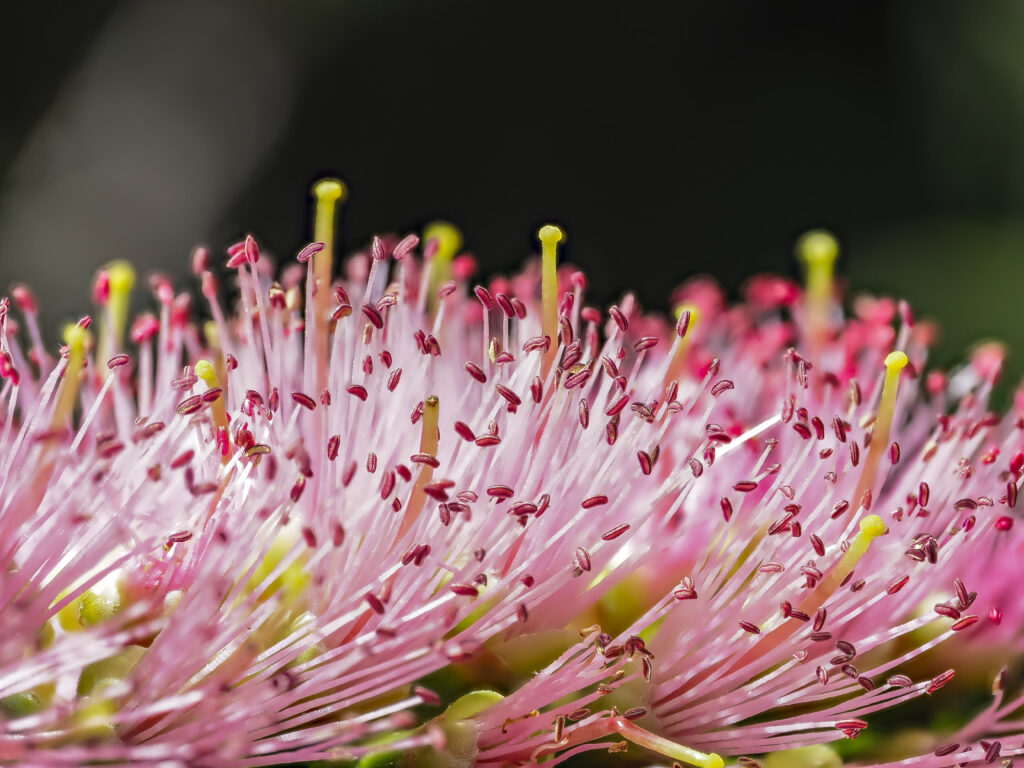
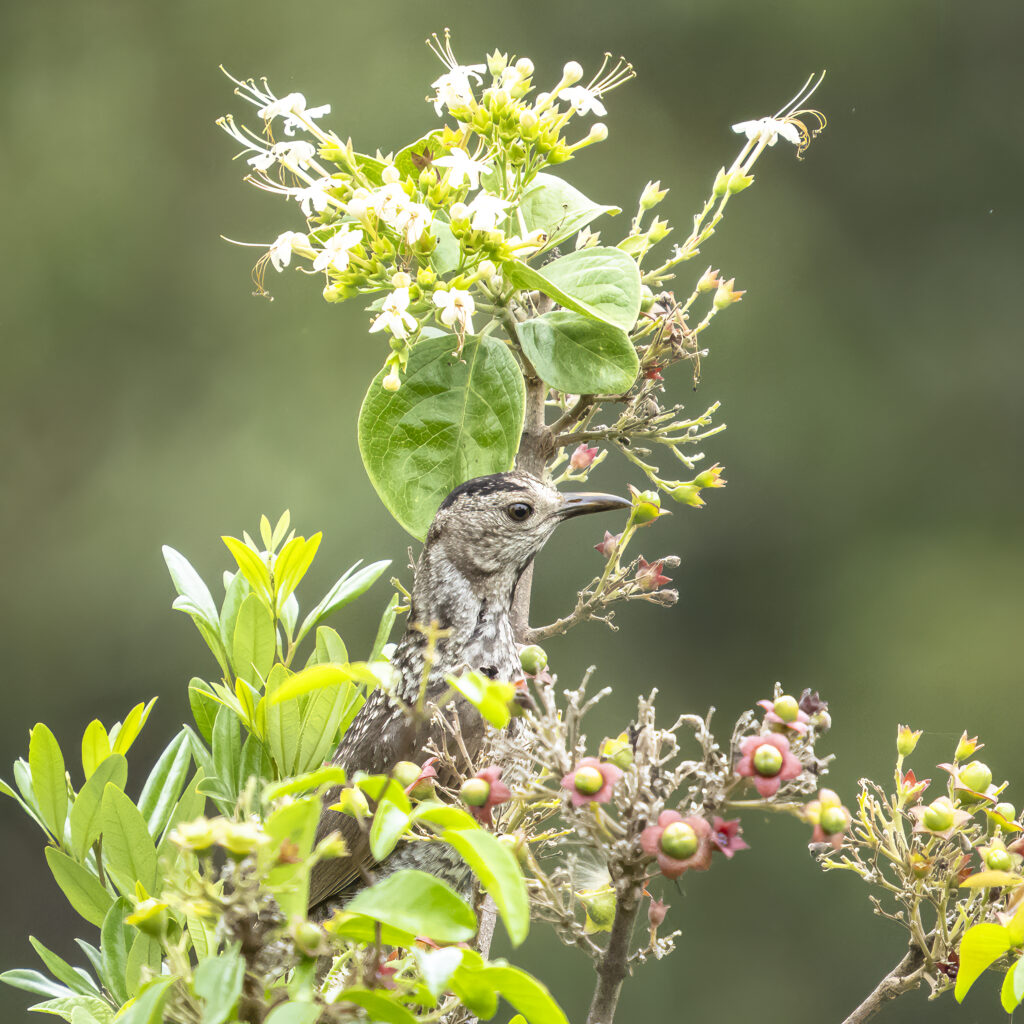
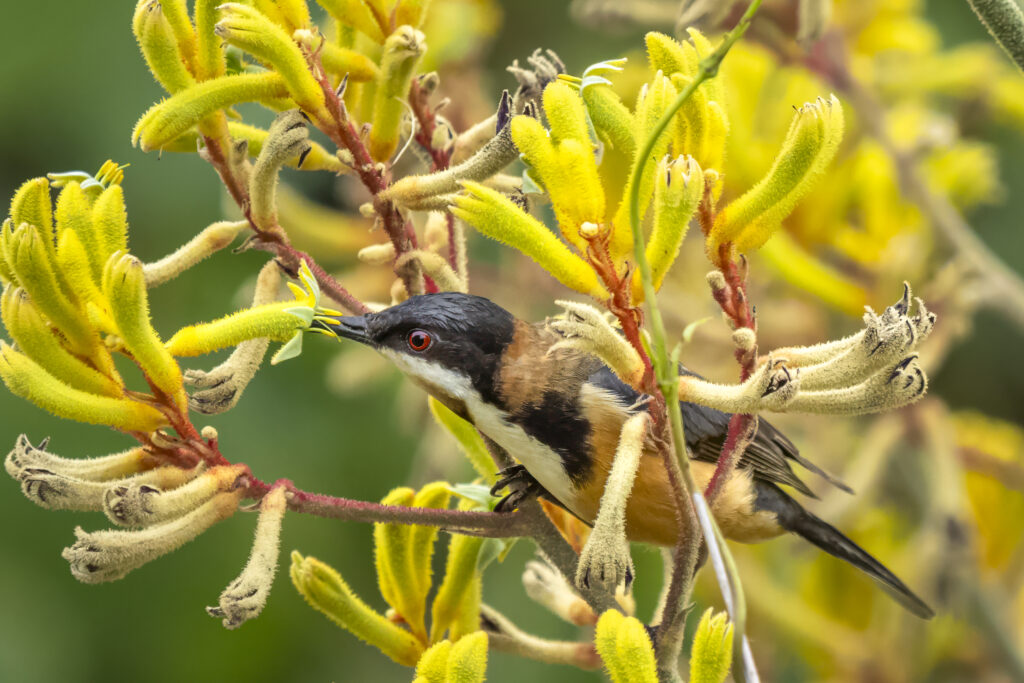
Images: Heather Miles